

The E3SM project organization continues to evolve to address the project’s changing scientific priorities, computational opportunities, and role within the broader DOE Earth and Environmental Systems Sciences ecosystem. The Phase 4 organizational structure must support both the delivery and scientific use of E3SMv4 and the development of the capabilities needed for E3SMv5, while also responding to a major project pivot toward artificial intelligence, seasonal-to-decadal prediction, and DOE-relevant energy and water security questions. To meet these needs, E3SM will adjust its functional project structure to a matrix organization intended to strengthen coordination across the project, clarify ownership of cross-cutting work, and better align the organization with the work the project must accomplish in the next phase.
Matrix Organization
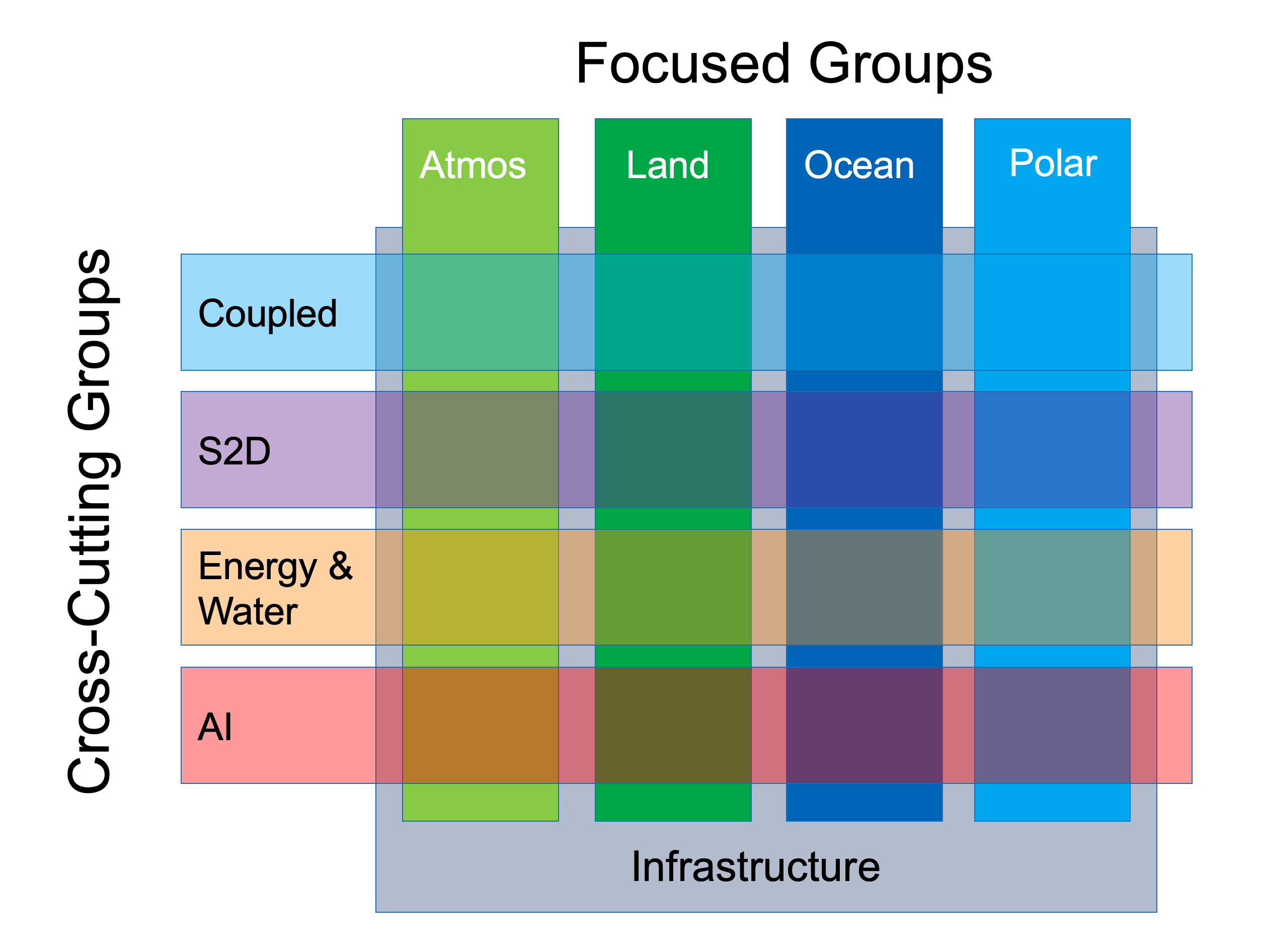
Figure 1, E3SM Phase 4 Functional Organization will use a matrix structure.
Phase 4 will use a matrix group structure, as shown in Fig. 1. This structure is designed to preserve strong component-based model development while also supporting the cross-cutting capabilities and science activities that now define the project’s main priorities. The Focused Groups will remain the primary homes for core model development and will comprise the component groups. These groups provide the foundation for continued progress in atmosphere, land, ocean, and polar system modeling. Alongside them, Phase 4 will include Cross-cutting Groups that integrate work across the Focused Groups in areas that require strong project-wide coordination. These include coupled modeling, seasonal-to-decadal prediction, Energy and Water, as well as AI. In addition, the Infrastructure group supports the entire project. In this matrix model, staff will have a primary group for planning, mentorship, and accountability, but they will also be expected to contribute across group boundaries as project needs require. This approach is intended to reduce siloing, improve visibility across related efforts, and support more effective coordination of tasks that span traditional component lines
E3SM Leadership Team
See Leadership Team for details of the organizational structure.
